Let me ask you something. When was the last time you felt genuinely sharp? Not just “I had coffee and I’m functional” sharp, but clear-headed, energized, actually-in-the-room sharp?
If you had to think about that for a second… you’re not alone.
Most of us have quietly accepted a version of ourselves that’s a little foggy, a little tired, a little “off” and chalked it up to getting older, being busy, or just how things are now. But here’s the thing: that fog has reasons. Real, biological, fixable reasons, and most of them have nothing to do with willpower or discipline.
In this post, we’re pulling back the curtain on what’s actually going on inside your body and brain during perimenopause. We’re talking about the surprising link between your gut and your mood, what your sleep problems are really trying to tell you, and why stress is so much sneakier than anyone gives it credit for.
We’ll get into the habits that genuinely move the needle (spoiler: they’re simpler than you think, even if they’re not always easy), why there’s no magic pill and why that’s actually the best news you’ll hear all day, and how the small choices you’re making right now are quietly shaping how you’ll feel a decade from now. Two decades. Three.
Oh, and that thing you’re dreading about getting older? We’re going to reframe it completely.
So grab your drink of choice, get comfortable, and let’s figure out why your brain has been so quiet lately.
Love the Handbook?
Find all the episodes of the Healthy Parenting Handbook here, or listen on your favorite podcast player:





Don’t forget to leave us a review on Apple Podcasts too! Thank you!
Can't see the video? Watch on YouTube →
YouTube Shorts for This Episode
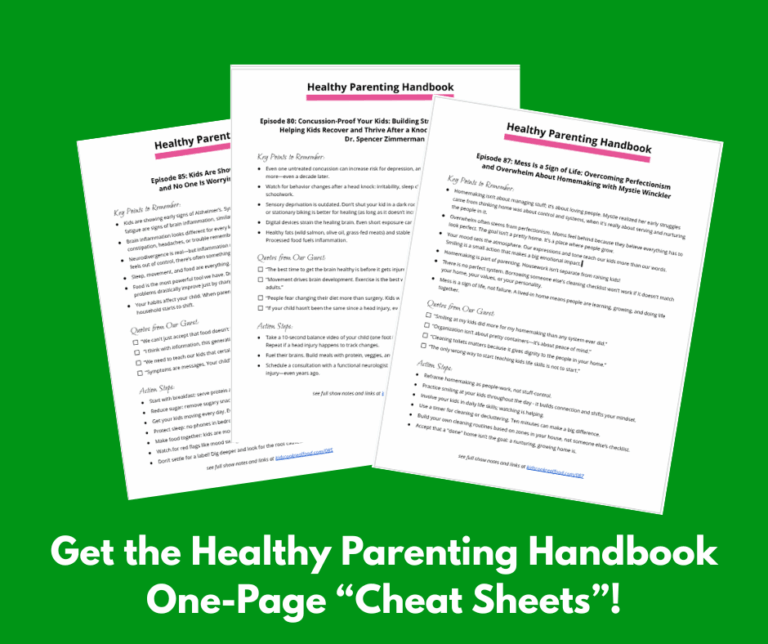
Turn expert advice into a handbook you can actually use.
I’ve interviewed hundreds of incredible experts on the Healthy Parenting Handbook podcast! Out of time to listen? You can skim on your phone!
These one-page summaries give you the highlights of every episode fast, so you can find what you need when you need it (and nothing to download).
100% privacy – You’ll also get Katie’s email newsletter with more practical tools for raising capable, confident kids. Change your preferences easily any time.
Key Takeaways about Daily Habits for Perimenopause
- Brain fog in perimenopause is multi-factorial. It can be driven by poor sleep, inflammation, insulin resistance, neurotransmitter changes, and gut health issues, all connected through the gut-brain axis.
- Perimenopause is not the problem itself, but a signal that your body needs attention.
- Hormone shifts amplify what is already off in your lifestyle.
- Your ovaries are the “pace setter” of aging, and stress, alcohol, and smoking can accelerate their decline.
Perimenopause is an invitation to pause and get clear about what you want. – Cynthia Thurlow, NP
- Muscle and bone loss increase during this stage, making nutrition and strength-building essential. Learn more from Trim Healthy Mama’s Pearl and Serene!
- Metabolic health becomes critical, as many women lose the ability to properly process carbohydrates.
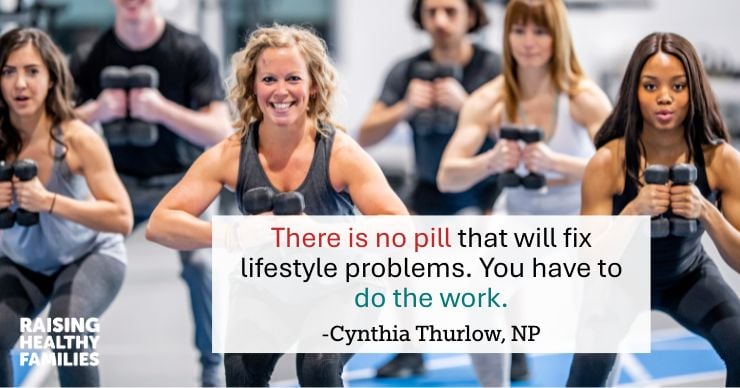
- The biggest truth is that there is no quick fix. Your daily habits now directly determine how well you age.
Keep the Life Skills Going All Year Round!

Missing #LifeSkillsNow? You can keep doing workshops! Get one from each season of #LifeSkillsNow for free to do while you’re waiting for the next season.
These workshops include Making Homemade Gellies with Leah; Turning Big Ideas Into a Real Business with Billy Brady, the CEO of Troomi Phones; How to Make a Phone Call with Katie and kids; Checking Fluid Levels in Your Auto with Sam Tillema; and Making Your Home Sensory Smart with Greg Santucci.
And if you missed this year’s camp, it’s a fun taste of what we do each year in our free life skills camp for kids and teens.
Show Me the Life Skills!Action Steps for This Episode
- Prioritize sleep by creating a simple nighttime routine and reducing light and screen exposure so your body can properly wind down. Do you need blue light glasses for night?
- Focus on nutrition by aiming for enough protein at each meal and gradually increasing fiber in ways your body tolerates.
- Be mindful of carbohydrates by reducing processed foods and paying attention to portions.
How you take care of yourself now determines how you age. – Cynthia Thurlow, NP
- Track basic health markers like fasting glucose and insulin to understand your metabolic health.
- Reduce alcohol and manage stress consistently through daily habits like movement, time outside, or quiet reflection.
- Strength train regularly to protect muscle and bone.
- Most importantly, shift your mindset. Use this phase as a chance to set boundaries, care for yourself intentionally, and build habits that support long-term health.
Resources We Mention for Daily Habits for Perimenopause
- Get Cynthia’s books: The Menopause Gut: Balance Your Microbiome to Reclaim Your Health in Midlife and Beyond (Amazon/Bookshop.org) and Intermittent Fasting Transformation: The 45-Day Program for Women to Lose Stubborn Weight, Improve Hormonal Health, and Slow Aging (Amazon/Bookshop.org).
- Perimenopause May Be the Wisest and Best Years of Your Life – How to Make That Reality with Jenn Pike
- Women Metabolize and Build Strength Differently Than Men (Especially Over 30) with Pearl & Serene, authors of Trim Healthy Wisdom
- The best blue light glasses for better sleep
- Stress Mastery Challenge for busy moms
- Get some natural support for perimenopause and menopause from Berkeley Life’s supplement

Cynthia Thurlow is a nurse practitioner, host of the Everyday Wellness podcast, author and international speaker, with over 15 million views for her second TEDx talk (Intermittent Fasting: Transformational Technique). With over 25 years of experience in health and wellness, Cynthia is a globally recognized expert in perimenopause/menopause and intermittent fasting, and has been featured on ABC, FOX5, KTLA, CW, Medium, Entrepreneur, and The Megyn Kelly Show. Her mission is to help empower women to live their most optimal lives in perimenopause and beyond.

Leave a Comment